The project-based learning lessons, group projects, technology, and ideas presented in EDUC 407 have completely enlightened my perspective on digital integration in the classroom. I feel more informed on the possibilities of using tech with students and I understand how beneficial it can be in successfully teaching digital-native-students (Thank you Marc Prensky for teaching me that I am a digital immigrant and my students will be digital natives).
As a future teacher, I feel confident in saying that I will be an advocate for digital technology in my classroom! The articles and videos in this course provide the motivation necessary to be a digital promoter. I believe anyone who watched the amazing results of Sugata Mitra’s experiments on self-teaching with children would agree that technology offers students the tools and information they need to succeed in education. The World is Flat discussion by Thomas Friedman gave the history and insight into how the force of technology has grown and improved our lives exponentially. I was inspired by the story of the little girl in Mexico, Paloma, who became the highest ranking math student in the country because of digital integration in her classroom.
Through this course, I finally utilized tools that I have had access to for years and never touched, such as Google Sites, Google Slides, and Wiki pages. The technology is user-friendly and has made collaborating with my classmates fun and efficient. I am genuinely excited about teaching school-aged children while using all of the “Cool Tools” I was introduced to in this class.
Last, but not least, the astounding references on Project Based Learning have allowed me to envision how I can truly connect my teaching philosophy with my students. I have said in my past posts that I believe children learn best from doing, and PBL is exactly the type of lessons I see myself implementing in my classroom. I tend to get disheartened when I think of teaching a class by merely providing a lecture and administering tests. I want my experience as a teacher and my student’s learning to be so much more than a lecture-test model. The Webquest project solidified my position even further that I intend on providing my students lessons where they can collaborate, be creative, and learn through experiencing a lesson in a real-world context.
Webquest: Public Art—My Final Project for EDUC 407
I am a visual artist and photographer, so I have been aware of copyright laws for many years. I know a story about one of my favorite artists that involves the subject of copyright laws. Most people have seen the poster of President Barack Obama (above). Some might know that this poster was created by the world-renowned-street-artist Shepard Fairey. However, I bet most do not know that Fairey was sued for copyright infringement under copyright laws for the creation of this poster. Fairey used a photograph taken by a professional photographer as reference for his graphic work. Fairey argued that he altered the image to the extent that his artwork was an original piece and his situation should be considered fair use. The photographer argued that Fairey was illegally profiting off of his copyrighted image by redistributing and selling the image as posters, shirts, buttons, etc. The parties settled outside of court and agreed to share in any profits made from Shepard Fairey’s Obama- Hope.
The lawsuit of Shepard Fairey and the professional photographer is an example of how two artists were effected by copyright laws. It is proof that teachers and students should be aware of and understand some basics of Copyright Law:
Which works are protected by Copyright?
Who owns the Copyright?
What is Copyright Infringement?
When and how to obtain permission to copy a work?
What is Fair Use?
How does one obtain copyright protection for their work?
How long does copyright protection last?
The answers to these questions and more information can be found at CopyRightKids.Org. The Copyright Society of the U.S.A. created the site in 2007 to inform children on the basics of copyright laws.
I did learn some new information on copyright laws that I believe is essential to explore as a future teacher. First, I was not aware that the fair use guidelines in Copyright laws have not changed since 1976. Therefore, these laws are difficult to apply to use of original works in a digital environment. The applicability of fair use are determined on a case-to-case basis by the courts of each state. As Larry Lessig explores in his Ted presentation, today’s children are living in world of technology and they cannot be expected to limit their technological creativity. They do, and will continue to, take content and recreate it into new, original work with digital tools. Current copyright laws prohibit their creativity in the digital world because they define all of this new work as copies, and permission should be obtained from the original creator. Permission is hardly obtained, so these children are all creating illegal work under current laws. The laws of Fair Use need to be addressed by the federal government, or, as Lessig states, kids will be forced to “live life against the law.”
I have a love-hate-relationship with Social Media. It is true that I am a digital immigrant, according to the poignant label Marc Prensky uses to define people in my situation. I embrace technology, but I remember the good old days when I wasn’t expected to know what everyone was continuously doing through social media. Currently, I have not been on social media for 18 months because I do not have enough free time in my day. At this moment in my life, I view social media as a distraction from spending quality time with my young children. In addition, I hope to give my children some anonymity (which is almost impossible these days).
I recognize the immeasurable benefits social media platforms have provided for society. At it’s best, social networks allow users to share their ideas instantly, network with anyone in the world, and provide information in real-time. Clay Shirky provides a perfect example of its benefit with his story on how China experienced a devastating earthquake, and citizens were notified immediately by each other through social media. Unfortunately, social media has a negative side. At it’s worst, young adults are falling off of cliffs to take the perfect photo for their social-feed.
As future teachers, how do we reconcile all of the negative possibilities of social networks and learn to use the benefits in our classrooms? We teach digital citizenship to our students. We provide them with the tools to recognize the advantages and disadvantages of social media. Teachers cannot escape the reality that social media is an integral part of their student’s lives. We should introduce them to programs where they are safe to have a voice and interact in positive ways with their peers, such as Edmodo and Edublog.
I found this video created by The Atlantic reassuring as a parent and a future teacher:
Now here is an Ed Tech Tool that will make you smile:Creatability from Google is a collection of innovative tools which allows users to create music or drawings using different parts of their body, with their voice, or with your computer’s mouse. I used the free applications for HOURS! It is incredibly fun and interesting. The different “experiments” (Google’s name for the applications) are created in collaboration with educators, non-profit organizations, and the tech community and are geared towards giving persons with disabilities access to creating art and music. This up and coming use of tech in education is sure to make waves into the future.
In theSeeing Music feature, you can see visual images, which looks like an aura of vibrations, when you sing or make noise in your computer’s microphone. You can also see prerecorded visualizations of sounds and singing. This application would be useful for student’s with hearing loss, but also I believe any student will enjoy seeing visualizations of their voice and instruments. The tech uses web and AI technology to track your movements through your computer’s camera. Most of the applications allow you to switch which body part to track, such as your face, wrist, knee, or ankle. Students with limited mobility in parts of their body would benefit from this feature. Imagine experiencing playing a digital piano or drums with the movement of your head. I did it, and it is intriguing.
The Sound Canvas tool allows users to draw with the guidance of sound. The pitch goes higher or lower depending on where you are drawing on the canvas. Users can either draw with their keyboard/mouse or using the movement of their body. This gives students with limited eyesight the ability to draw.
Google’s Creatability appears to be in a developmental stage, but what is already on the site is powerful and can be implemented in classrooms for all students. Google is asking for contributors to the site, so there will be more upcoming experiments. I believe uses for tech incorporating AI technology will become more developed and omnipresent in future applications and technology. In addition, the use of technology to assist in the education of student’s with varying disabilities is in high demand, so I believe this tech will continue to grow and improve with time. Every child deserves access to the arts, and the tech in Creatability are powerful tools to ensure inclusiveness of art and music in education.
EDUC 407 is possible because of cloudware technology. We are able to access our coursework and assignments from any device with internet access. The data is not saved on our personal computers, it is all in the cloud. I, personally, would not have the option to attend college if it were not for online-school-access-programs, such as Blackboard. Similar software is used for high school students to attend school remotely. Cloudware is also making ideas such as Sugata Mitra’s School in the Cloud a possibility. Therefore, more people are able to attend school because of cloudware technology.
Cloudware applications can be used to centralize projects and allow collaboration between students from anywhere, and at anytime. Several of the PBL websites we visited are examples of collaborative projects made possible by cloudware, such as Globe.gov and Journey North. I was intrigued by these project-based learning websites, and I believe most teachers would see their potential to benefit their classrooms.
The following Google in Education provides even more ideas on how educators are implementing applications from the Google suite. One school used the programs to create a digital yearbook to minimize printing costs and to allow students to be more involved in the process:
Considering all of the information we have covered thus far on cloudware technology, I believe the greatest benefit is that it allows students to participate more actively and creatively in their class. PBL and the concepts of cloudware applications are not based on old teaching philosophies where the student listens to lectures and teacher-centered assignments. No! Cloudware technology is on the side of student-centered projects and assignments, and the use of these tools is how true innovation and creative learning will triumph.
Photo by Maria Belhasson, Flickr Creative Commons, 2015
The majority of schools practice a system of teacher-based learning where the teacher provides lessons, lectures, and assigns reading or homework. The lessons are generally tested upon completion either by a written test or project. The students take information from the lesson and apply what the have learned to answer the test or complete their gradable assignment. This method is criticized because research shows students are not adequately learning the information from the lesson, but rather memorizing and understanding just enough to pass the test and receive the grade. Student’s have limited opportunities to make personal connections with the content in this teacher-based model. Unfortunately, this description is exactly how I recall my education in K-12th grade, with a few exceptions in high school. The majority of information that I learned in school did not make a lasting effect on how I understood the world around me. The knowledge I sought on my own had a much stronger impact on who I have become as a functioning adult, employee, and mother.
Project-based learning (PBL) is based on the concept that children will learn with deeper meaning if the lesson is student-centered and guided. Students must, and should, be highly involved in how classroom content is approached and applied. Children learn through doing! PBL creates a structure where the students conduct their own research to answer the facts about a given subject, rather than have a teacher or textbook provide all of the answers. PBL requires them to brain-storm and collaborate on their problem-solving efforts. Each student can have an opportunity to apply their strengths to projects, as well as make true connection with the information they have located and applied. I agree that PBL is an effective teaching method and that it can be implemented in our schools. The hurdle I see, again, is the funding to provide students with adequate resources for research and presentations. It would be advantageous for state and local governments to become involved in funding and promoting PBL in their districts and schools, such as in the following video from Edutopia:
I will incorporate PBL into my classroom, given that I work at a school that allows me professional freedom. If I work at a school that does not recognize PBL as an effective learning method, then I will try to convince them of the benefits.
The TED talks by Sugata Mitra discussing his method of discovering how children will learn even with limited resources and minimal to no instruction, and his vision for The School in the Cloud is simultaneously intriguing and counter-intuitive. I was captivated when Mitra states, “Children will learn to do what they want to do.” It is true that children have a natural desire to learn and problem-solve, and they will attempt to do so given the right tools and resources. Therefore, if the tools and resources are more advanced, then the children will be able to learn at a faster rate and with greater complexity. Technology and access to the internet is the resource children need to answer any question or solve any problem presented to them. The counter-intuitive portion of Mitra’s findings are that children can do this primarily on their own, without a teacher’s constant instruction and guidance. The majority of schools in our society are teacher-centered and require a teacher to guide students through lessons on a daily basis. Mitra is proposing the idea of schools that are student-centered and require little teaching. His method has been implemented in areas of the world where there are limited quality-teachers and inadequate technological resources, and it has been a successful platform.
Mitra argues that our school system is out-dated and needs to be re-envisioned. I agree that our classrooms should shift to a student-centered method and that teachers can be present to guide the students with limited direct instruction. It is my position that a teacher’s main role is to facilitate a productive environment for learning, and this is how I intend to teach in the future. Students become more engaged in class when they are an active participant in the curriculum. I believe children achieve more when they are using their imaginations and learning through doing. It is essential for students to contribute to classroom structure and their learning goals because it instills a sense of responsibility and self-awareness. Mitra’s findings are validation that children should be allowed the space to learn independently and with one another, and to freely collaborate with their classmates.
I was curious about The School in the Cloud, so I went to the website, and I was surprised to see the amount of S.O.L.E’s (Self-Organized Learning Environments) across the world. Unfortunately, there are none in Los Angeles, or California for that matter. The “Big Questions”, which are the questions presented to the children within the S.O.L.E’s are complex and difficult to answer! The School in the Cloud website is a sufficient resource for lesson ideas and questions for student-reflection. A few of the questions I found compelling were:
What is empathy? What is narcissism? What role do they each play in effective communication?
Why do humans commit the same errors (in terms of the environment or society or politics) again and again?
Modern industries, economies, cultures, governments, and information are becoming globalized at an astonishing rate. Globalization is a term used to describe the increasing connection and interdependence of world cultures and economies. Fueling this globalization are the technological advancements we have experienced in the last 30 years, which have completely re-shaped existing business and have created new careers that were never previously imagined. Anyone with an internet connection has access to an infinite amount of information to gain knowledge, start a business, share ideas, and communicate with people from all over the world. Thomas Friedman states in his discussion on his book The World is Flat how several events, technologies, and businesses created a global platform for people to conveniently collaborate. He comments that globalization is no longer controlled by countries or businesses, but can now be shifted by individual people and small groups from anywhere in the world.
What impact will this have on education?
The advances in technology have an immeasurable potential in educating populations. The ability to instantly share information through the internet and conduct collaborations with anyone in the world creates a reality where an education can be available to all. People no longer have to be physically present to attend a class or to hear a lecture. Educators and schools have access to limitless lesson plans and new tools for teaching with the use of technology. However, this requires funding to be appropriated to school’s technological infrastructure so that education can achieve the full benefit of the global platform. One of the ways to convince governments to invest in technology in schools is to argue the necessity to educate our future employees (today’s students) to compete in the global economy. How will we remain a contender if our education is substandard? We must also consider how to educate students to be successful in jobs that do not even exist yet. Friedman describes an example of a present-day career in “search engine optimizing”. Obviously, someone 30 years ago could not have known exactly how to educate someone for this career because there was no such thing as search engines. Our society must insist on educating our students to be creative, open-minded, tech-savvy collaborators in order to succeed in the future global economy.
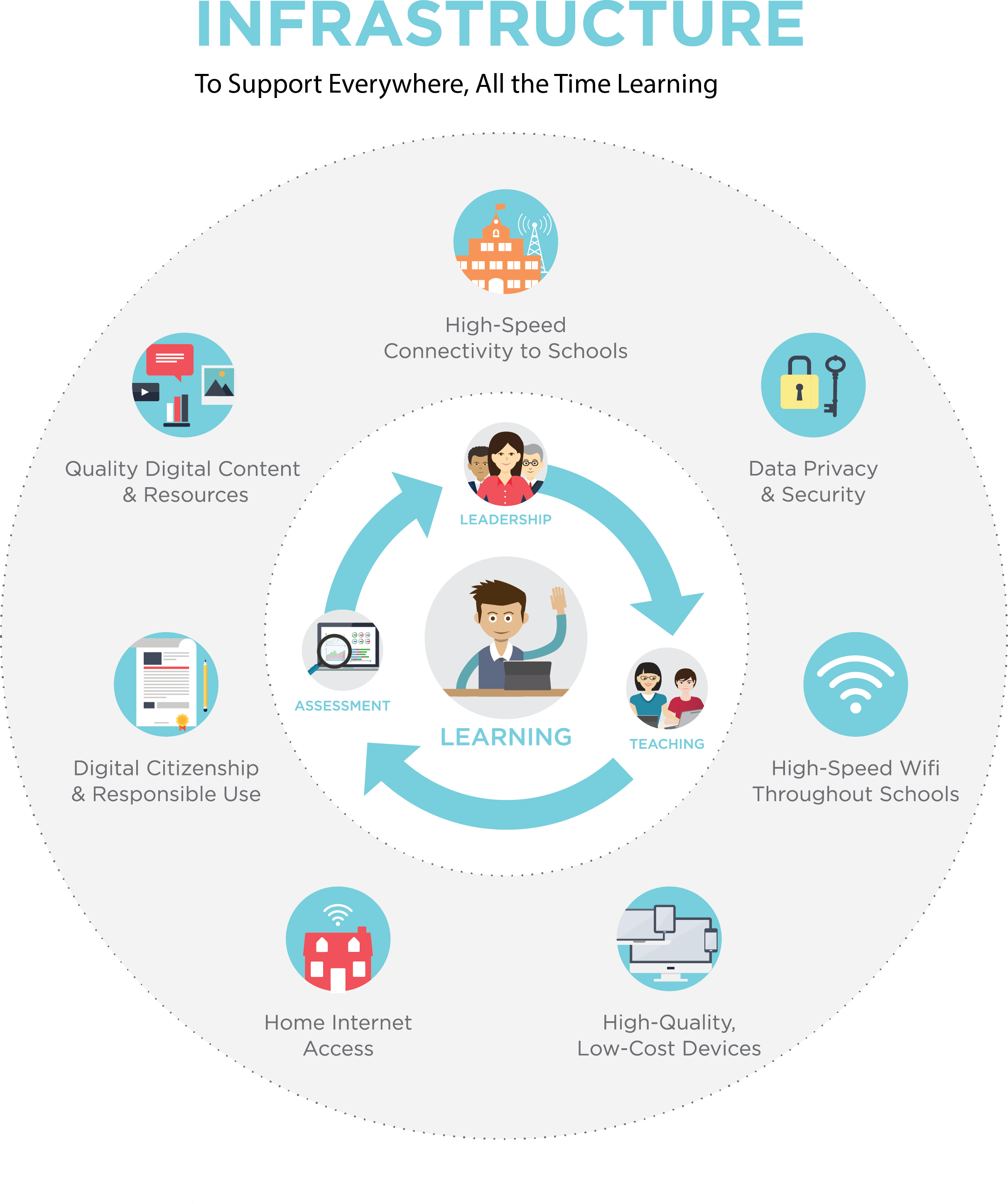
I found the following information useful in explaining and illustrating how access to technology should be structured for students and schools; this excerpt was obtained from the Office of Educational Technology website, https://tech.ed.gov/netp/infrastructure/ :
Preparing students to be successful for the future requires a robust and flexible learning infrastructure capable of supporting new types of engagement and providing ubiquitous access to the technology tools that allow students to create, design, and explore. The essential components of an infrastructure capable of supporting transformational learning experiences include the following:
Ubiquitous connectivity. Persistent access to high-speed Internet in and out of school
Powerful learning devices. Access to mobile devices that connect learners and educators to the vast resources of the Internet and facilitate communication and collaboration
High-quality digital learning content. Digital learning content and tools that can be used to design and deliver engaging and relevant learning experiences
Responsible Use Policies (RUPs). Guidelines to safeguard students and ensure that the infrastructure is used to support learning
What evidence do you see in today’s classrooms of these global shifts?
Today’s classrooms do incorporate technology into lessons, and there is a movement for more science, math, and tech lessons in schools associated with the STEM programs. The skills taught in STEM programs will prepare students for future digital and tech careers in the global market. I do believe these programs should be available to all students nationally. It seems that some schools adopt STEM programs more than others. There are also lessons on digital responsibility in most schools, which is due to the shift in the everyday use of technology. This curriculum is necessary to teach children how to stay safe while using the internet, how to protect their identity, and how to be responsible about sharing information that could potential harm themselves or other children.
How will globalization shifts affect you as a future teacher?
Although I do not particularly agree with the ideology of capitalism and globalization, I cannot deny that globalization is part of our society and the driving force of a large part of our economy. As a future teacher, I will recognize that my students will be the future innovators and contributors to globalization efforts. I support STEM programs and plan to incorporate them into my class lessons. I aspire to continue my knowledge and education of changes in industries and technologies and hope to adapt them to meaningful instruction for my students. I also plan to present tools and programs to my students so they have an option to excel their growth. One such program isGirls who Code. I plan to socially prepare my students for global shifts by allowing them to focus on their collaboration skills, communication, and creativity through group projects and student-centered classroom environment. I believe these skills will ensure their success in their future endeavors.
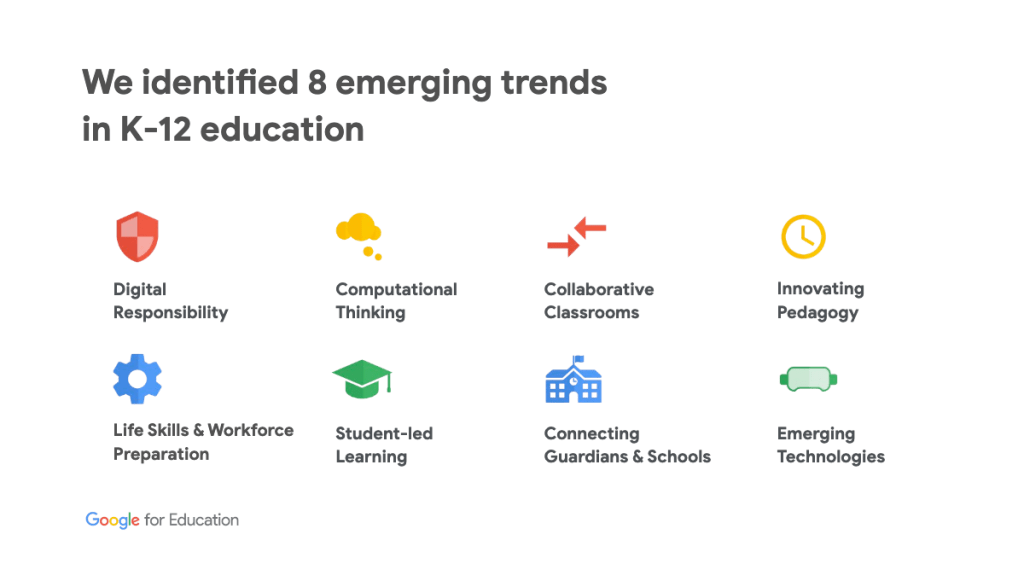
The Google for Education website has a nice presentation on how shifts are occurring in classroom education around the world. Here is one of the pages and the link to whole report:
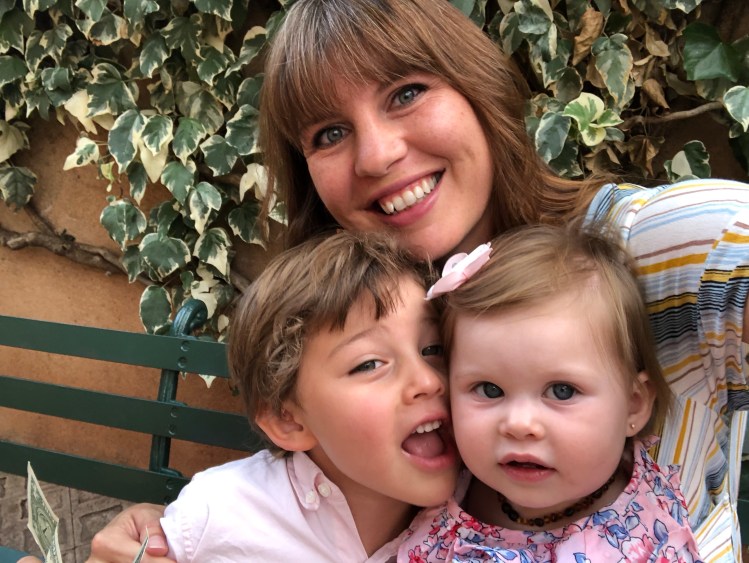
Hello Everyone! My name is Trisha Cupples and I am in my Junior year of the Bachelor’s Degree Program for Educational Studies. I spent the last 15 years working as a paralegal. I was a preschool teacher and nanny when I was younger, and I attended college to become a teacher, but I never completed my degree. My children inspired me to make the change and pursue my dream of being a teacher. I have yet to decide which grade I prefer to teach.
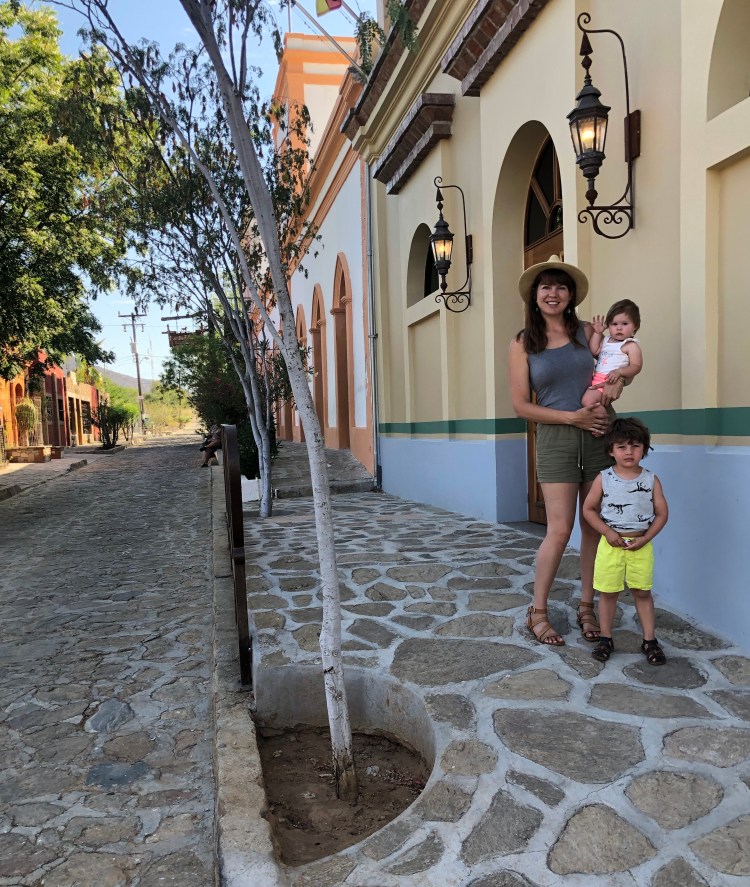
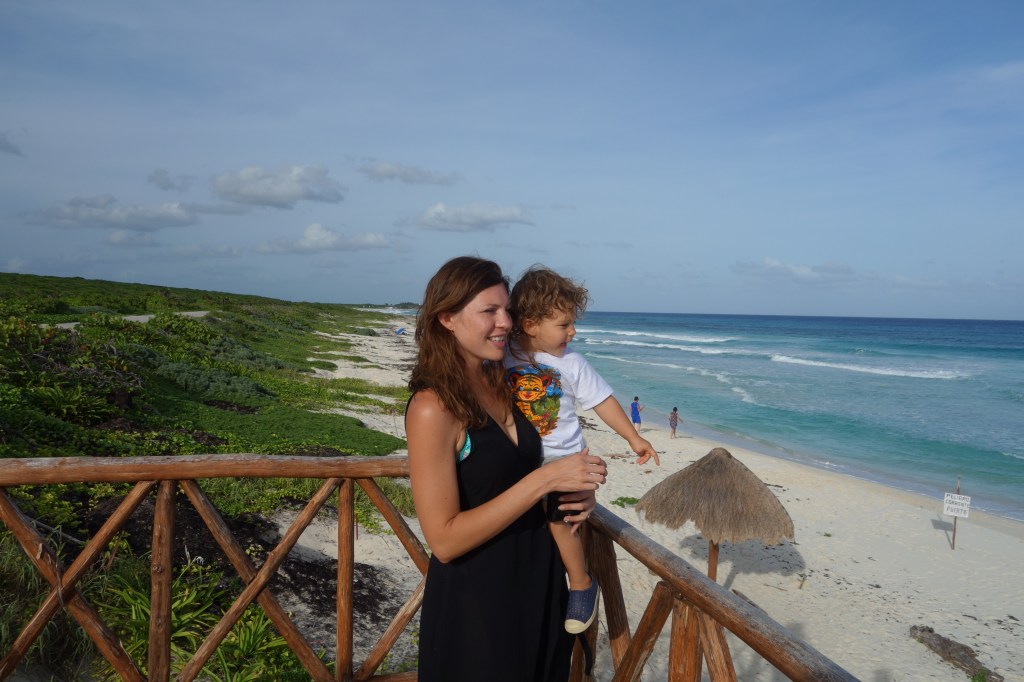
I am married and have two children. Adrian is 4 and Aurelia is 1. We love to travel, sing, do art projects, look at art murals and take photos in front of them, search for the best cookies, and go to museums. I currently work from home and care for my children full-time. We own a historic Craftsman home in Pomona. The house needs work, so we are slowly renovating.
I have been painting and doing photography for 20 years. I prefer to oil paint, but it is hard to find the time these days. I have a side-business doing family and wedding photography. I love to share my passion for art with my children, and I hope to incorporate my talents into my teaching.
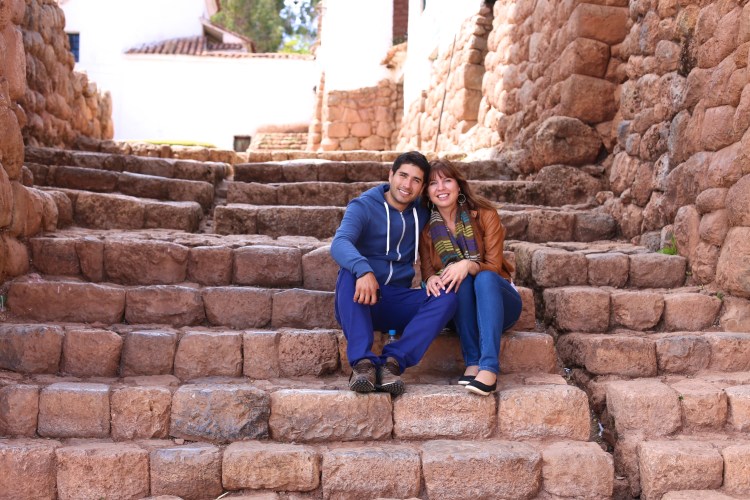
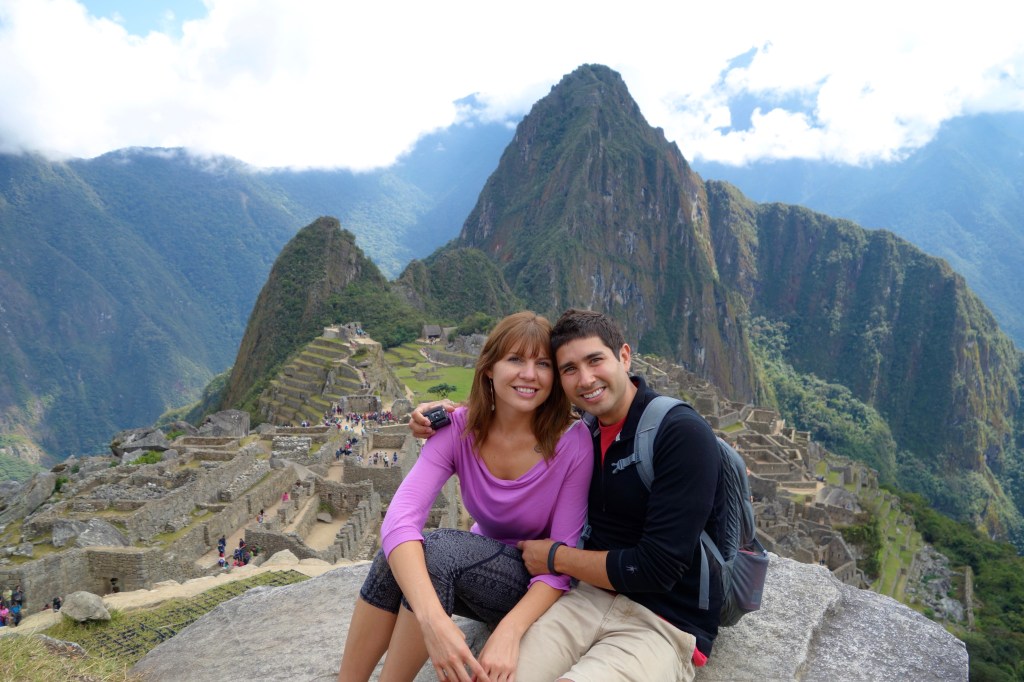
I love to travel and see different cultures. I have been to Italy, France, the Netherlands, Peru, most of the United States, and many parts of Mexico. My dream is to travel to Spain and Japan in the next few years. I also enjoy doing yoga, cooking with my husband, and hiking whenever I have the opportunity.

















 Trisha's University Blog